Strength
Two to three resistance sessions weekly, plus a tiny daily balance habit.
Big 10 for aging well: strength, meals, steps, sleep, social, measurement, and simple daily habits.

The Big 10 for ages 55–75
Share this with parents or friends. Each row gives the habit, the simple way to do it, and one sample product or protocol to make it easier to start.
Two to three resistance sessions weekly, plus a tiny daily balance habit.
Most days: an outdoor walk, stairs when safe, and enough steps to keep gait confident.
Practice near support: tandem stance, heel-to-toe walks, and controlled single-leg holds.
Protein, beans, greens, nuts, berries, and high-polyphenol EVOO as the default plate.
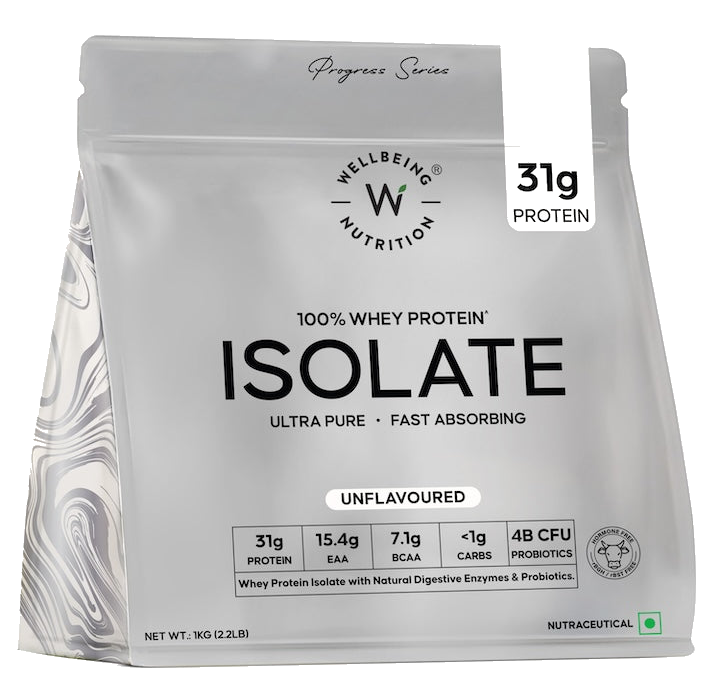
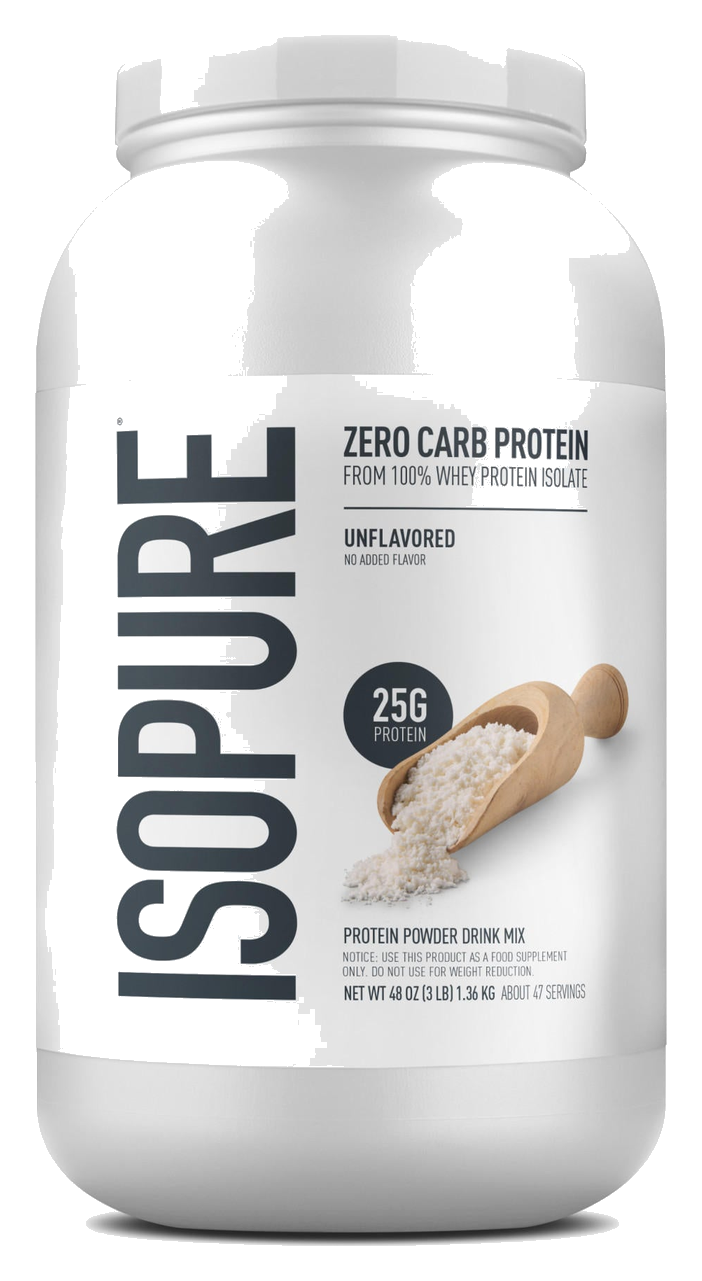
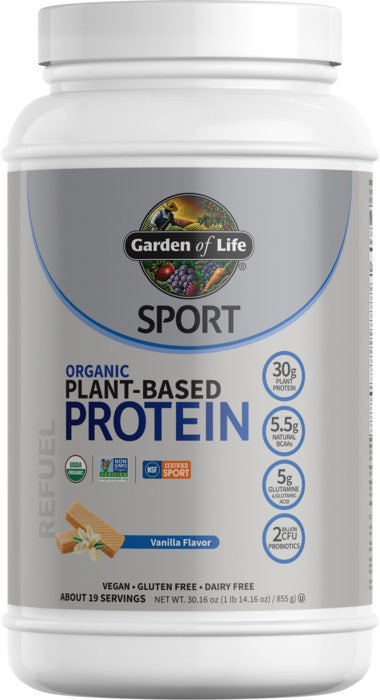
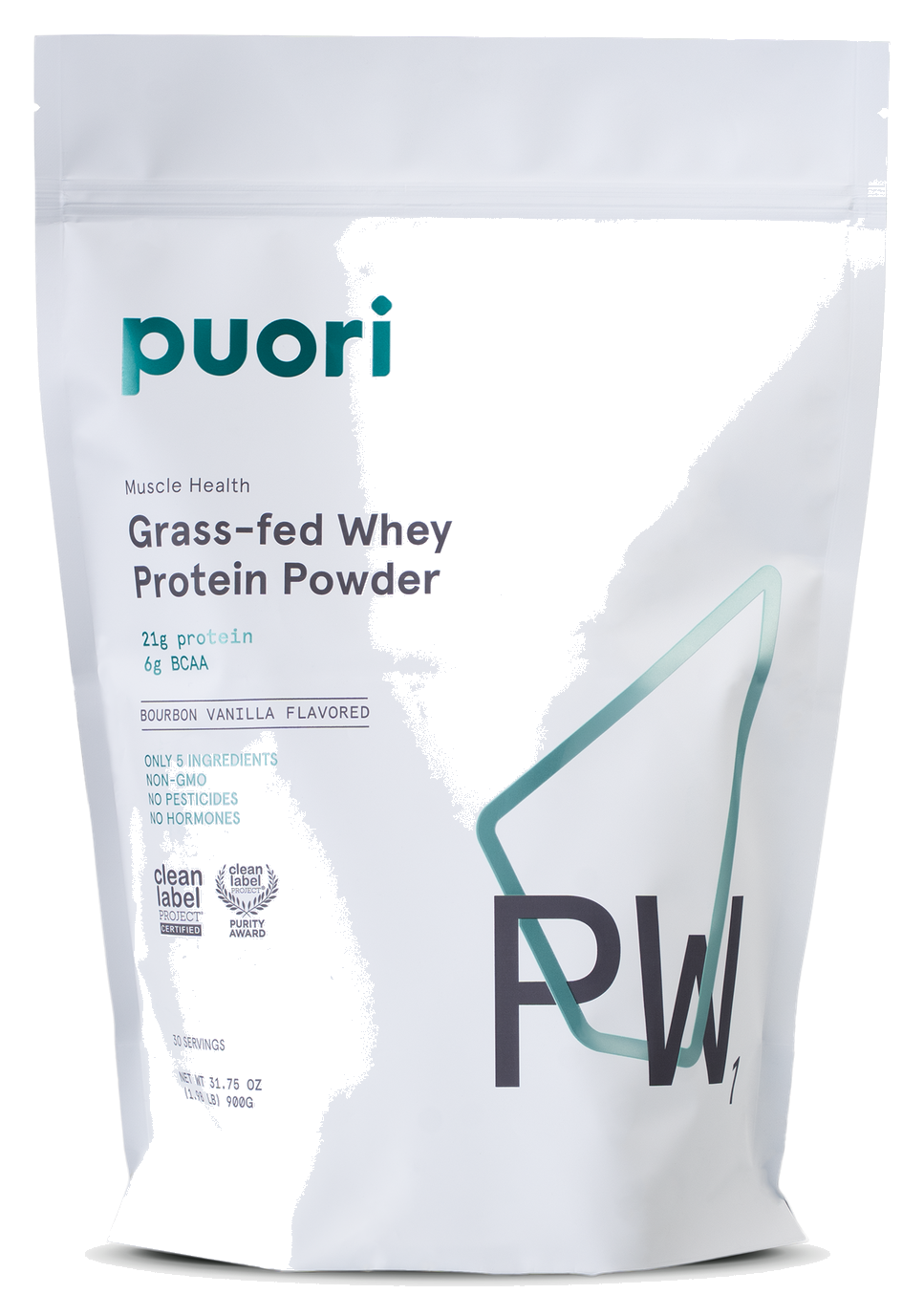
Aim for a protein anchor at breakfast and lunch so dinner is not doing all the work.
Consider 3–5g/day if kidney health and medication context are appropriate.
Same wake time, dark room, cool temperature, and fewer night disruptions.
Get outdoor light early; use a 10,000-lux lamp only when mornings are dark or impractical.
Track blood pressure, waist, strength, gait, and weight trend — not every biohack.
Daily contact and weekly plans matter: adherence improves when the family is involved.
Do / don’t product picks
Total polyphenols (mg/kg) measure the antioxidant “dose” in EVOO — the phenolics linked to vascular and cardiometabolic benefits (heart health, inflammation, weight-related metabolism), not marketing copy.
Arsenic, cadmium, lead and mercury. CLP’s Clean Sixteen one-sheeter lists the first three podium products and says all 16 are non-detect for the four metals; because per-product values are not public, this top 3 still uses current transparency, additive simplicity, and exact-product verification as tie-breakers. The caution picks use Consumer Reports 2025 product-specific multi-lot results. Certification, organic, or sport-testing seals are helpful but not treated as heavy-metal proof without product-specific data.
Metals plus process contaminants including mycotoxins, pesticides, phthalates, glyphosate / AMPA, and acrylamide (Clean Label Project composite screen). I keep this category skeptical: CLP also says coffee’s overall environmental-toxin burden is relatively low versus many other foods, and its public data are better for identifying the cleaner set than for proving a precise “worst coffee” order. Because daily intake still adds up, this section favors products with both cleaner public evidence and exact-product image verification; caution picks are conservative and now explicitly avoid contradicting CLP’s Clean Sixteen image.
Lead and cadmium per serving or published product result, weighted toward unusually transparent testing. Cocoa concentrates solids, so frequent use matters. I now separate pure cocoa-powder cautions from broader cocoa-containing mixes and avoid product-level claims unless the source names that exact item.
Arsenic and trace metals in ppb vs legal limits, plus whether the brand publishes current named-PFAS results. CR uses a tighter bottled‑water arsenic precaution than EPA/FDA’s ceiling when flagging daily-use picks.
Morning bright light (lux), melatonin‑preserving darkness, and noise masking — scored on circadian physiology and sleep‑stage disruption, not heavy metals. Targets deeper, more restorative sleep and schedule stability.
Parent-safe workout standard
One repeatable routine for leg power, grip, balance, gait, and enough muscle — RPE 6–8, never grinding. On tired days: same routine, lighter weights, same form.
Curated picks
Compact rows · tap for highlights. Separate from the parent-care top recommendations above.
WHO guidance includes muscle-strengthening work for older adults, scaled safely.
Weekly moderate aerobic activity range; short outdoor walks can count.
A practical per-meal range after 55, personalized for body size and kidney/medical status.
EFSA’s olive-oil polyphenol claim threshold; current product-specific proof still matters.
Consumer Reports’ stricter bottled-water target for daily-use caution.
Consistent wake time and morning light are low-cost circadian anchors.